Utilities (electric, water, wastewater, etc)
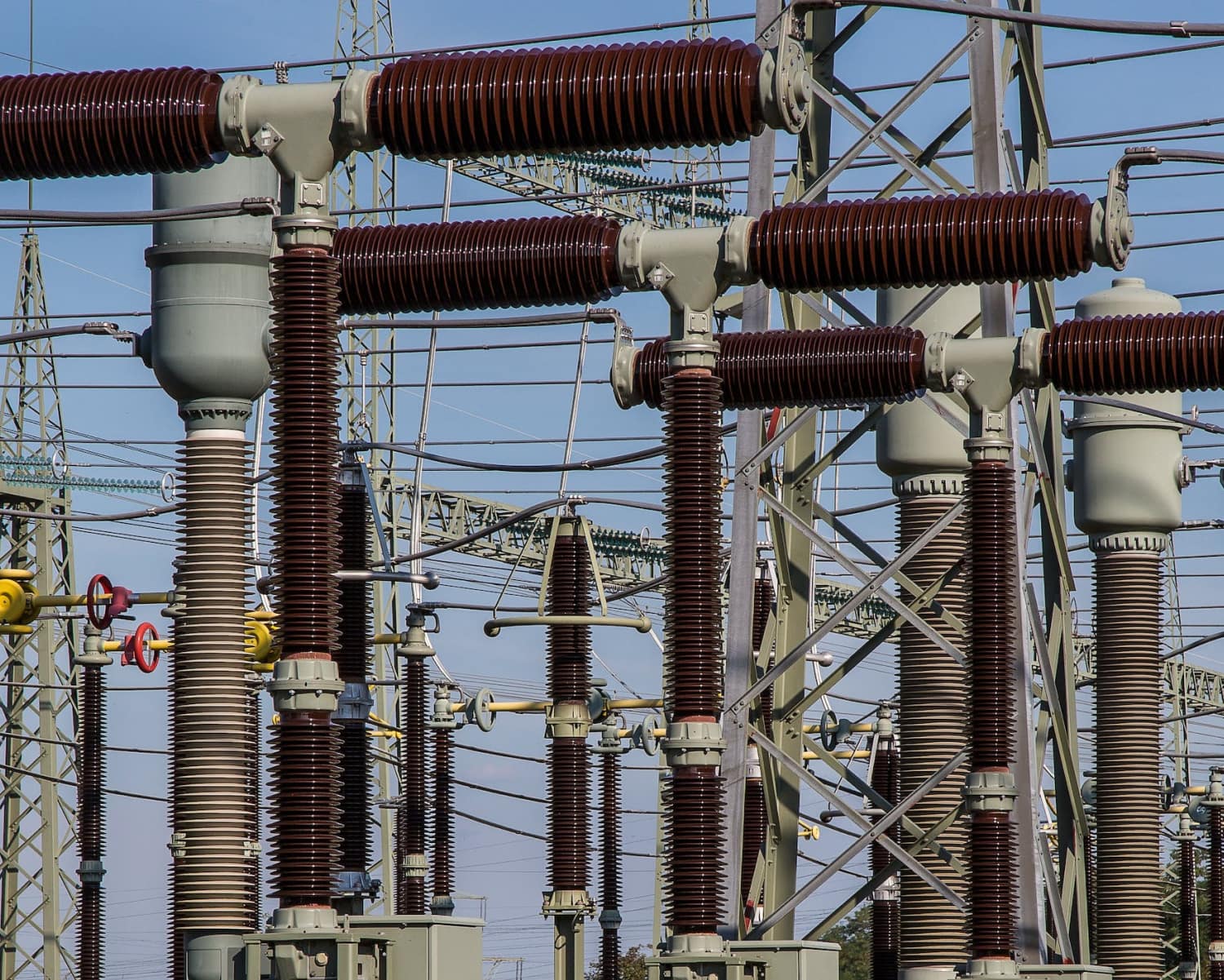
Cleaning Equipment for Utility, Municipal, and Wastewater Operations
Utilities and municipalities clean differently from private fleets. The equipment is expensive, much of it is safety-rated, some of it is insulated for work near energized lines, and nearly all of it is bought through a procurement process that wants documentation before it wants a delivery date.
Sun Pro Supply supplies and services commercial pressure-washing systems for utility, municipal, and wastewater operations across Northeast and North Central Florida. We’re an authorized retail and repair center for Hotsy and Ramteq.
What These Operations Actually Clean
Aerial devices and digger derricks. Bucket trucks, line trucks, and derricks that accumulate road film, grease, hydraulic residue, and dirt on booms, turrets, and chassis — with a safety dimension covered below.
Municipal fleet vehicles. Transit buses, fire apparatus, police vehicles, sanitation trucks, dump trucks, and parks equipment. Most operations wash dozens to hundreds of vehicles on a schedule, which makes throughput — GPM and coverage — the deciding specification, not peak PSI.
Water and wastewater treatment plants. Clarifiers, grit chambers, screens, tank walls, weirs, and floors. The soils are biological and mineral rather than oily, the surfaces are often coated concrete or steel, and access is the real constraint — which pushes toward portable and trailer-mounted units rather than a fixed wash bay.
Lift stations, wellheads, and stormwater structures. Remote sites with no reliable power or water, where an engine-driven unit earns its keep.
Yards, shops, and fuel points. The same oil, fuel, and hydraulic staining any fleet operation produces, concentrated around maintenance buildings.
Cleaning Insulated Booms: The Specification Nobody Mentions
This is the one thing that separates utility cleaning from ordinary fleet washing, and it’s worth understanding before you buy equipment.
Insulating aerial devices and digger derricks are safety-rated equipment. Under ANSI A92.2, insulating booms undergo periodic dielectric testing — typically at least annually, and more often by some utilities’ own policy — to verify they still provide the insulation operators are relying on. ANSI/OSHA guidance also requires that booms and buckets be kept clean and dry to prevent tracking to the vehicle frame, and that they be cleaned and waxed according to the manufacturer’s recommendations.
Three practical points follow:
- Cleaning protects the rating; it does not replace the test. Washing a boom doesn’t re-qualify it, and no cleaning practice should be presented as doing so. The periodic dielectric test is a separate, documented procedure.
- Residues matter more than shine. Conductive contamination — road salt, metallic dust, carbon, some detergent films — is exactly what “clean and dry” is meant to prevent. Chemistry choice and thorough rinsing matter as much as pressure.
- The OEM’s manual governs. Every manufacturer specifies how their insulating sections may be cleaned. A generic “pressure wash it” instruction is the wrong answer for equipment people stand inside near energized conductors.
We supply equipment and chemistry that can be matched to the manufacturer’s cleaning guidance, and we’ll ask which unit you’re cleaning before recommending a setup. We do not perform dielectric testing or certify insulating equipment — that’s a specialized service, and we’ll tell you so rather than let a purchase imply otherwise.
Wash Water and Containment for Municipal Operations
Municipal and utility wash operations are subject to the same Florida wash-water expectations as any fleet: wash water carries oil, grease, suspended solids, heavy metals, and detergents; discharge to a sanitary sewer is generally the preferred route and requires prior approval from the wastewater utility, possibly with pretreatment; containing and hauling to a permitted facility, or a treated discharge to land, are the alternatives. DEP’s BMP guidance for equipment washing also recommends washing on an impermeable surface, designating a cleaning area, keeping wash water away from repair and chemical-storage areas, and using high-pressure, low-volume methods to reduce the volume generated.
For facilities that wash indoors — common at utilities, transit agencies, and treatment plants — the equipment spec should follow the power available: an electric-drive machine paired with natural gas, LP, or a vented diesel burner is the configuration that doesn’t put engine exhaust into the building. Our commercial pressure washer buying guide works through that choice.
If you’re building or upgrading a wash bay, we’d rather be involved while the containment and drainage are still being planned than after they’re poured.
Equipment We Recommend by Application
| Application | Typical configuration |
|---|---|
| Bus, truck, and heavy municipal fleet washing | High-GPM hot water, fixed or trailer-mounted, surface cleaner attachments |
| Fire apparatus and specialty vehicles | Hot water with controlled pressure; chemistry matched to paint and clear-coat |
| Bucket trucks and digger derricks | Equipment and chemistry matched to the OEM’s cleaning guidance |
| Water and wastewater plant structures | Trailer-mounted hot water, or portable units for remote structures |
| Lift stations, wellheads, remote sites | Engine-driven, self-contained units with onboard water capability |
| Indoor wash bays | Electric drive with natural gas, LP, or vented diesel burner |
Procurement and Documentation
We work with municipal and utility procurement regularly, and we’ll respond in writing:
- Formal written quotes against your specification or ours
- W-9 and certificates of insurance
- SDS and technical data sheets for all chemistry
- Manufacturer literature and equipment specifications
- Clarifications answered in writing, which matters when a solicitation requires them
Tell us your requirements and we’ll work through the process rather than around it.
Service and Maintenance
We service what we sell — burner, coil, pump, and unloader repair, plus preventative maintenance intervals tracked for you — onsite or drop-off at our Jacksonville shop. Fleet operations on a schedule get more value out of a maintenance agreement than out of emergency repairs; ask us about one.
Frequently Asked Questions
Can you pressure wash insulated bucket trucks?
Yes, with the right method — and with the caveat that cleaning doesn’t substitute for the dielectric test your equipment requires. ANSI/OSHA guidance calls for booms and buckets to be kept clean and dry and cleaned per the manufacturer’s recommendations, so the OEM manual governs how the insulating sections are washed. We’ll match the equipment and chemistry to that guidance, and we don’t perform or certify dielectric testing.
Do you supply equipment for a wash bay at a treatment plant?
Yes, and the usual constraint is access rather than power — many structures need portable or trailer-mounted units. If it’s a new bay, involve us before the containment and drainage are finalized so the machine is sized to the water-handling capacity you’re building.
Can you provide documentation for a municipal bid?
Yes — formal written quotes, W-9, certificates of insurance, SDS and technical data, and manufacturer literature. Tell us what the solicitation requires and we’ll respond in writing.
What do we need to wash a bus or truck fleet on a schedule?
Throughput drives it: high GPM with hot water, a surface cleaner for large panels, and enough water supply and containment to keep up. Tell us how many vehicles per day and we’ll size the machine to the schedule rather than to the biggest model available. Our sizing guide has the flow and heat arithmetic.
Can you service equipment at our facility?
Yes — onsite across Duval, Clay, St. Johns, Putnam, Marion, Alachua, and Columbia counties, or drop-off at our Jacksonville shop Monday through Friday, 7am to 4pm.
Request a Quote for Your Utility or Municipal Operation
Tell us what you clean, how many units, where wash water goes today, and what your procurement process requires. We’ll spec to that.
Call (904) 693-2155 or request a commercial equipment quote. Sun Pro Supply is the exclusive authorized Hotsy dealer for Duval, Clay, St. Johns, Putnam, Marion, Alachua, and Columbia counties, and an authorized retail and repair center for Ramteq and other major commercial brands. See all industries we serve.